Agri. Academics

Entomology, Agri. Academics, All Posts

Aphids: Developmental Stages and Morphological Adaptations

Aphids: Developmental Stages and Morphological Adaptations Aphids, small sap-sucking insects, exhibit remarkable adaptability through their diverse developmental stages and morphological forms, collectively referred to as morphs. These morphs, which include winged (alate) and unwinged (apterous) forms, are not static but are dynamically shaped by environmental conditions such as overcrowding and food availability. Each morph serves […]

Aphids: Developmental Stages and Morphological Adaptations Read Post »
Thrips: Biology, Behavior, and Agricultural Impact
Entomology, Agri. Academics, All Posts

Thrips: Biology, Behavior, and Agricultural Impact

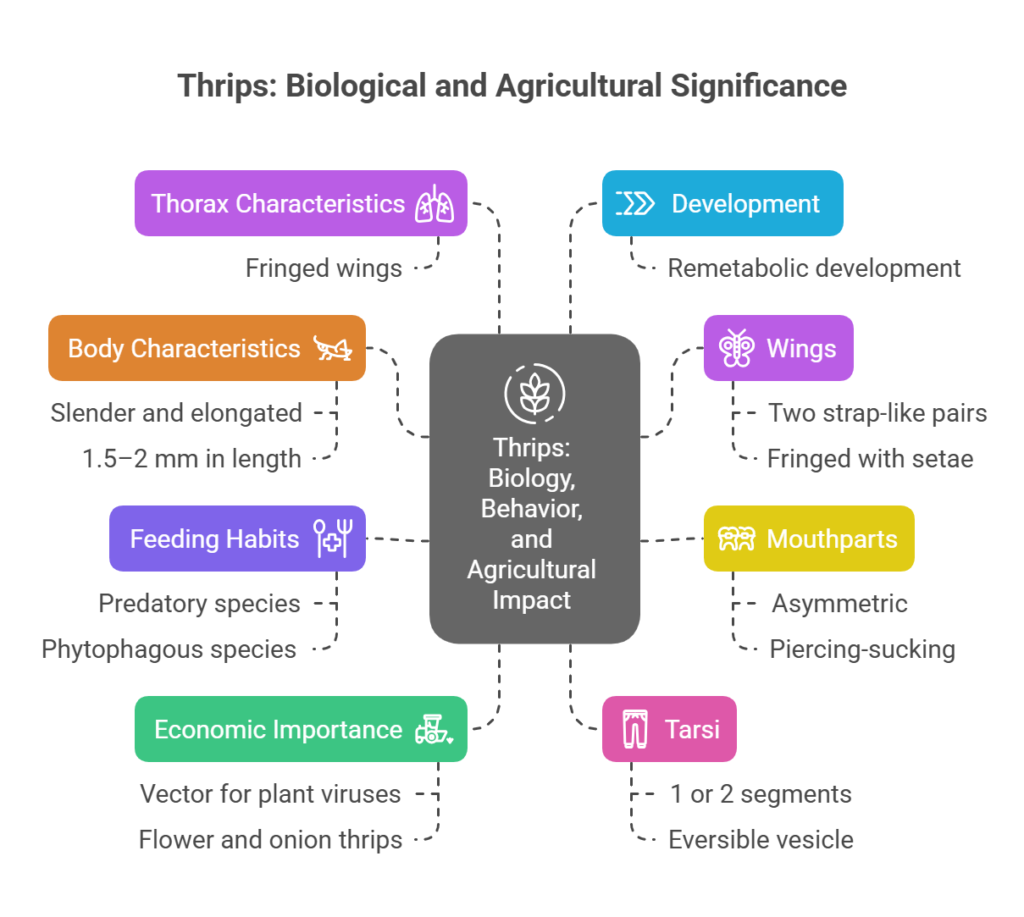
Thrips: Overview and Impact Order Thysanoptera Body Characteristics Slender, elongated body measuring 1.5–2 mm in length. Undergoes modified hemimetabolic (remetabolic) development. Wings Two similar strap-like pairs of wings, fringed with long, movable setae. Mouthparts Asymmetric piercing-sucking mouthparts. Feeding Habits Some species are predatory, feeding on mites and small insects. Many are phytophagous, consuming plants, pollen,

Thrips: Biology, Behavior, and Agricultural Impact Read Post »

Springtails, Mole Crickets, and Earwigs: Ecological Roles and Agricultural Impacts
Entomology, Agri. Academics, All Posts

Springtails, Mole Crickets, and Earwigs: Ecological Roles and Agricultural Impacts

Springtails, mole crickets, and earwigs are fascinating examples of arthropods that play significant roles in both natural ecosystems and agricultural landscapes. These small yet impactful organisms contribute to the balance of soil health, nutrient cycling, and pest control, while occasionally posing challenges as agricultural pests. Springtails enhance soil fertility through decomposition, mole crickets disrupt plant

Springtails, Mole Crickets, and Earwigs: Ecological Roles and Agricultural Impacts Read Post »

Agri. Academics, All Posts, Entomology

Internal Anatomy of an Insect: A Comprehensive Overview

Internal Anatomy of an Insect Insects, among the most diverse and successful organisms on Earth, possess highly specialized internal anatomies that enable their remarkable adaptability across a wide range of habitats. Their compact and efficient body structures integrate multiple systems—digestive, respiratory, circulatory, nervous, and reproductive—each playing a vital role in their survival and ecological functions.

Internal Anatomy of an Insect: A Comprehensive Overview Read Post »

Insect Metamorphosis: Mechanisms, Types, and Ecological Implications
Agri. Academics, All Posts, Entomology

Insect Metamorphosis: Mechanisms, Types, and Ecological Implications.

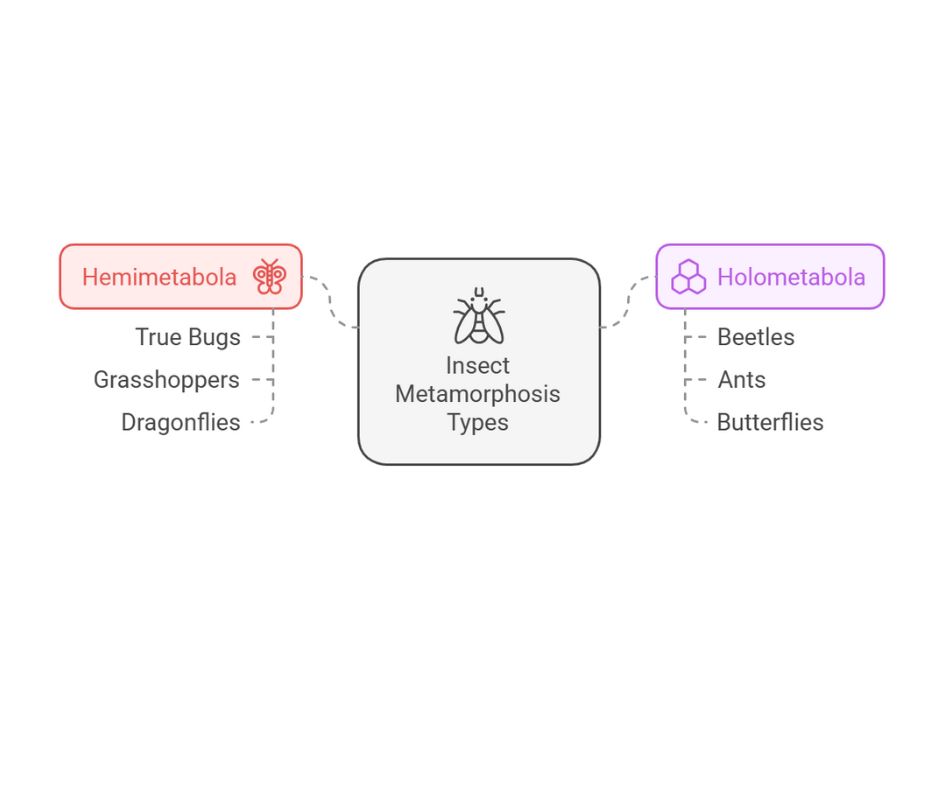
Insects Metamorphosis Insect metamorphosis is a remarkable biological, involving a series of transformations that lead to the emergence of a sexually mature adult, known as the imago.  This process is characterized by significant changes in appearance, growth patterns, and feeding behavior. The immature stage, called the larva, is specialized for feeding and growth but remains

Insect Metamorphosis: Mechanisms, Types, and Ecological Implications. Read Post »

Scroll to Top